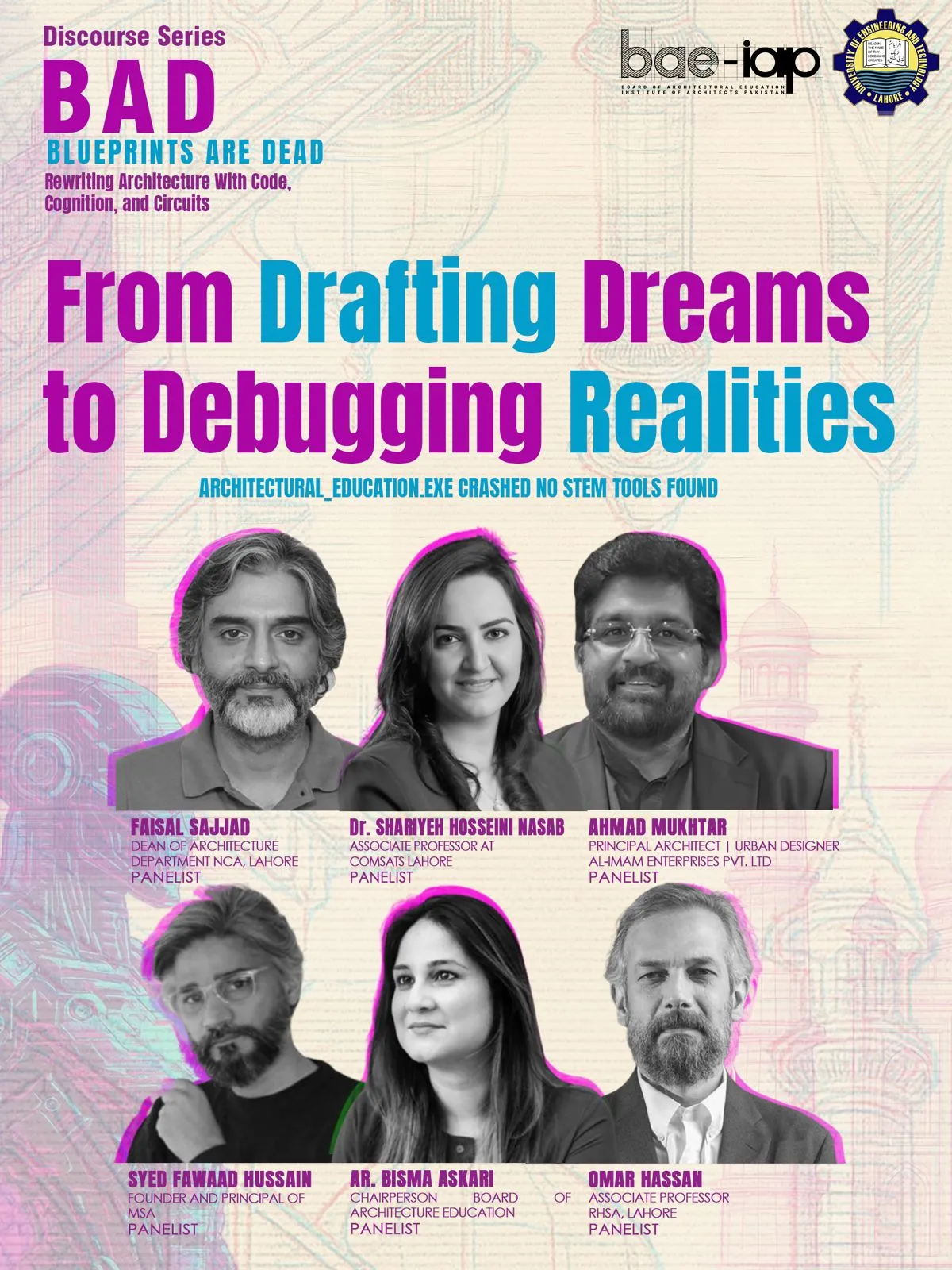
Syed Fawad Hussain Speaks at BAD Panel: “From Drafting Dreams to Debugging Realities”
11 October 2025
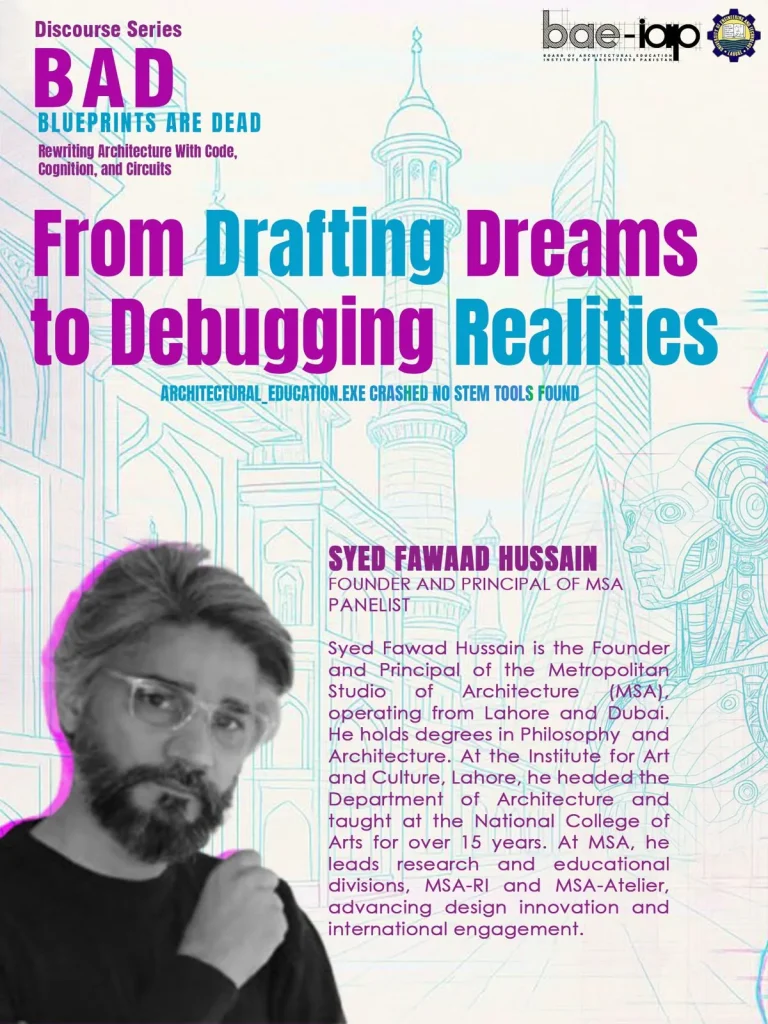
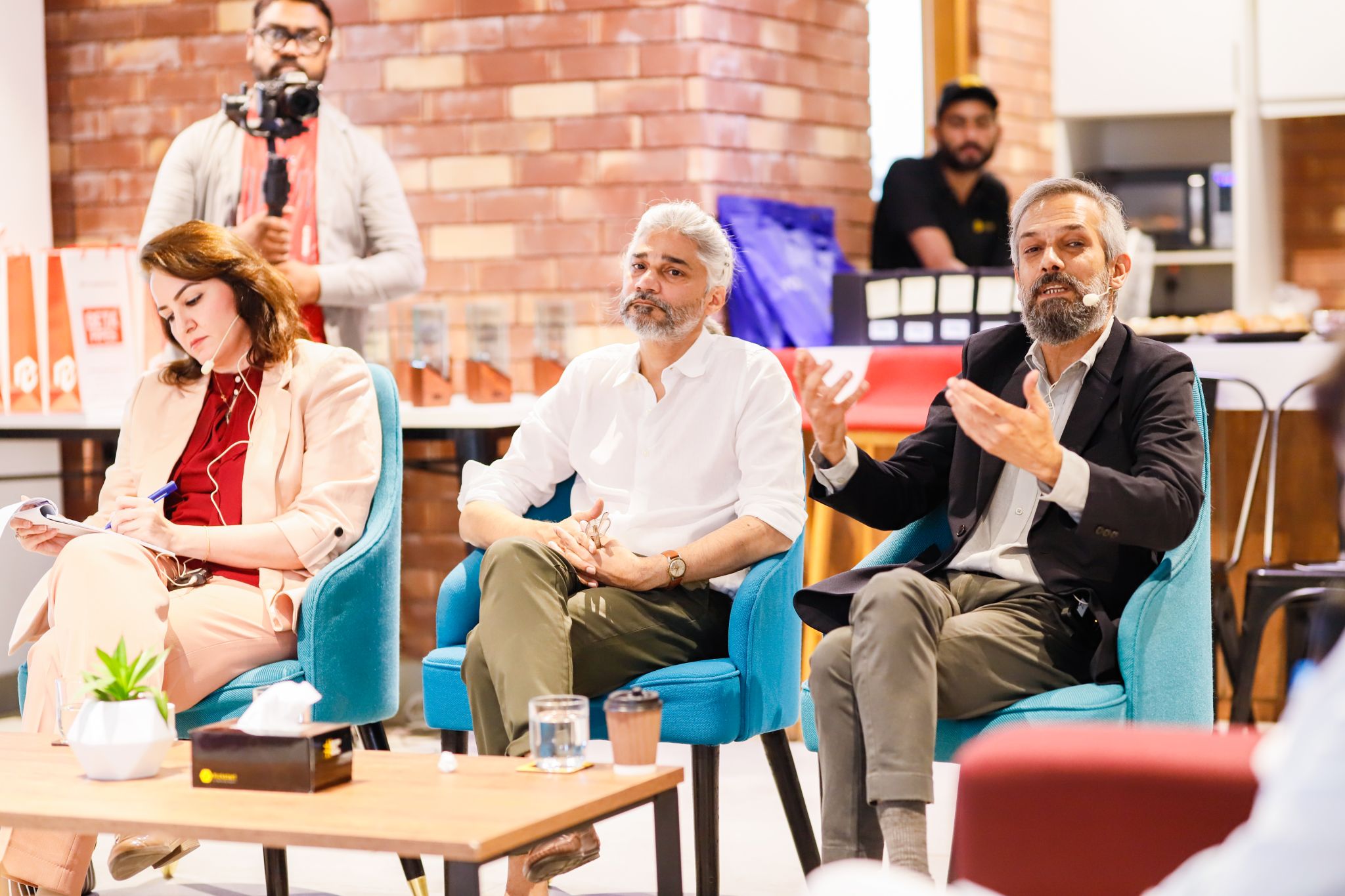
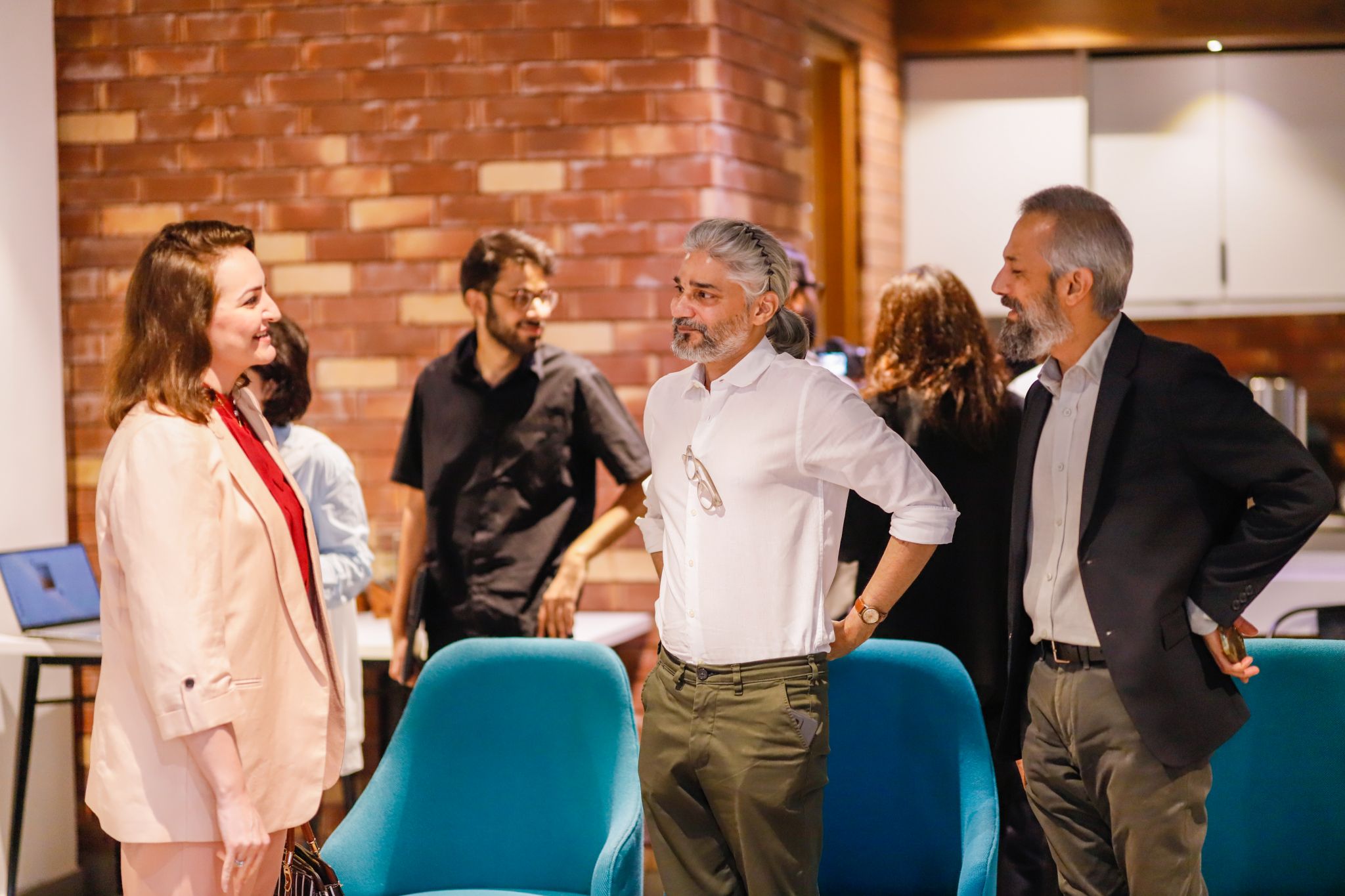
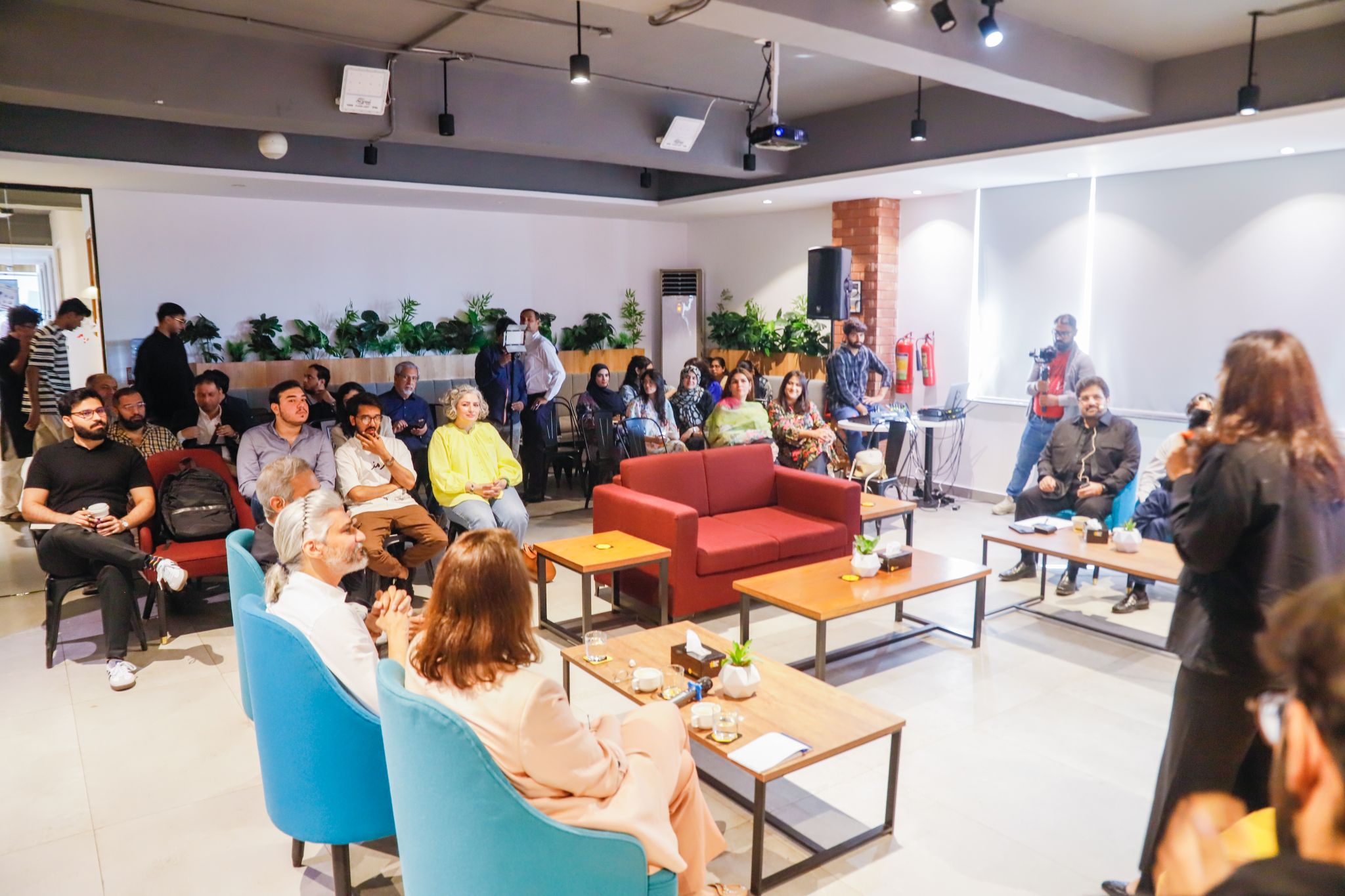
MSA is proud to share that its Founder and Principal Architect, Syed Fawad Hussain, participated as a distinguished panelist at BAD (Beyond Architecture and Design) in a discussion titled “From Drafting Dreams to Debugging Realities.” The event brought together eminent professionals from the fields of architecture and academia to deliberate on the evolving landscape of architecture, design, and education in the age of rapid technological and cultural transformation.
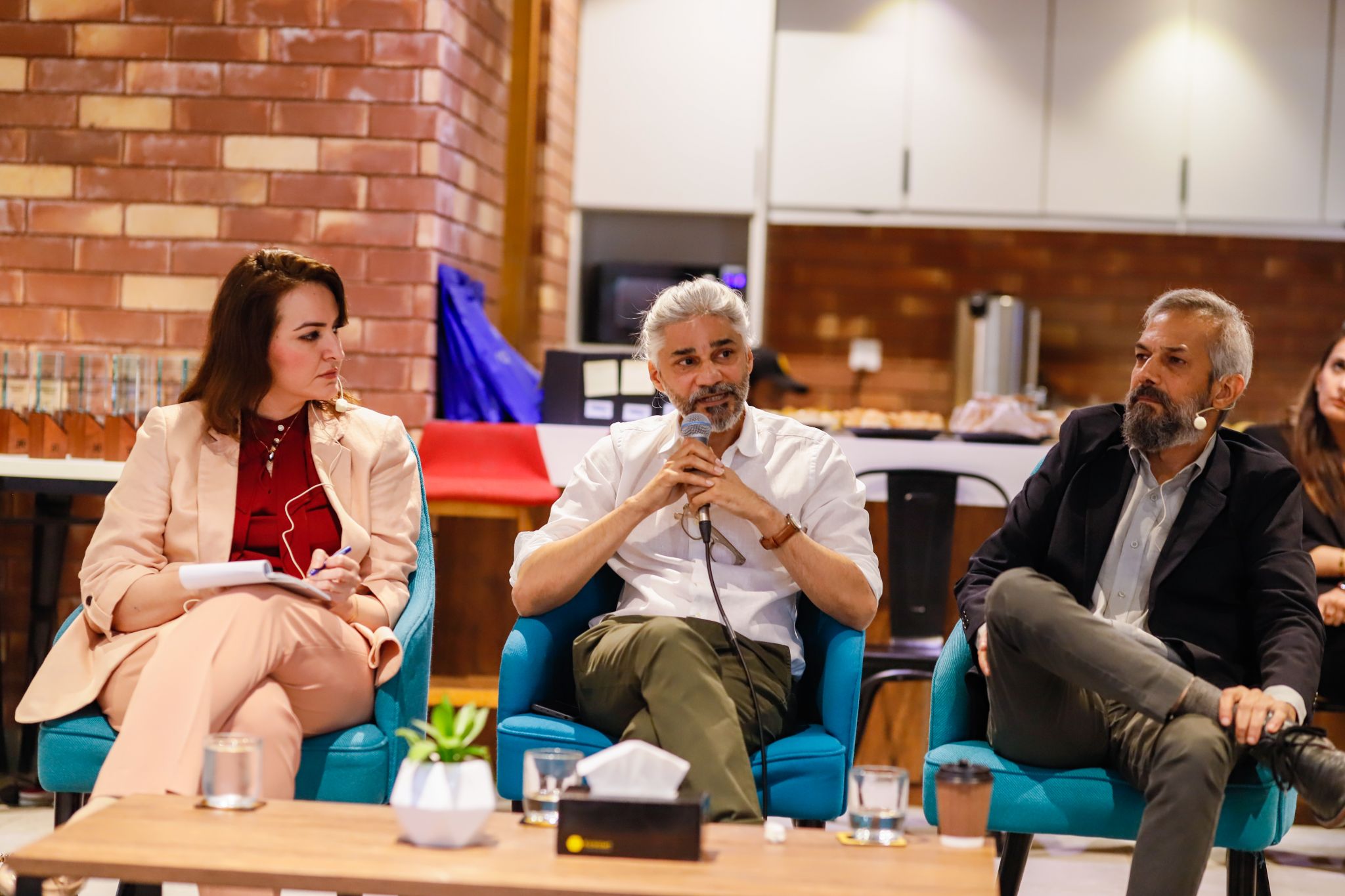
During the dialogue, Syed Fawad Hussain offered a critical perspective on how architecture as a discipline must redefine its philosophical and pedagogical foundations in response to the rise of Artificial Intelligence. He emphasized that in the advent of AI, philosophy will become the most vital discipline, as it enables humanity to understand its positioning and redefine what it means to be human in an era increasingly shared with autonomous machines.
He further articulated that it is the responsibility of architectural practice to make technological advancements relevant to the field rather than passively adapting to them. Drawing on the concepts of “rhizome” from Deleuze and Guattari, he observed that conventional schools of architecture are built on arborescent structures—hierarchical, rigid, and resistant to change—making them the last to evolve. In contrast, architectural practice is rhizomic, capable of adapting, expanding, and transforming at a much faster pace. His central argument underscored that until the practice evolves, educational institutions will continue to lag behind.
Responding to a question on the role of educators in the new learning environment, he remarked that the teacher today is simply one voice among many, as students now have access to diverse learning platforms that cater to their individual pace and intellectual curiosity. The traditional hierarchy of teacher and student, he suggested, is being replaced by a network of knowledge exchange, where learning is decentralized and self-directed.
He expanded the idea of practice as a larger, more fluid concept—not confined to professional offices but extending into academia. Within institutions, professors who engage in research, theorization, and conceptual expansion are also practicing architecture in their own right. However, he cautioned that there exists a particular kind of knowledge that can only be acquired through real-world experience, something that academic institutions are not equipped to provide. The profession, he noted, has failed to fully recognize this body of field-based knowledge, shifting its burden onto academia. As a result, educational institutions struggle to fulfill their true mission of nurturing critical and creative thinkers.
Through these insights, Syed Fawad Hussain called for a more dynamic and reciprocal relationship between architectural education and practice, where each informs and enriches the other. His reflections at BAD reinforced MSA’s ongoing commitment to bridging thought and practice, and to engaging with the philosophical, technological, and human dimensions that define the future of architecture.